Inclusive play and learning environments are important for the development of all children. For children with hearing loss, activities designed with visual communication and shared participation can support confidence, social interaction, and communication skills.
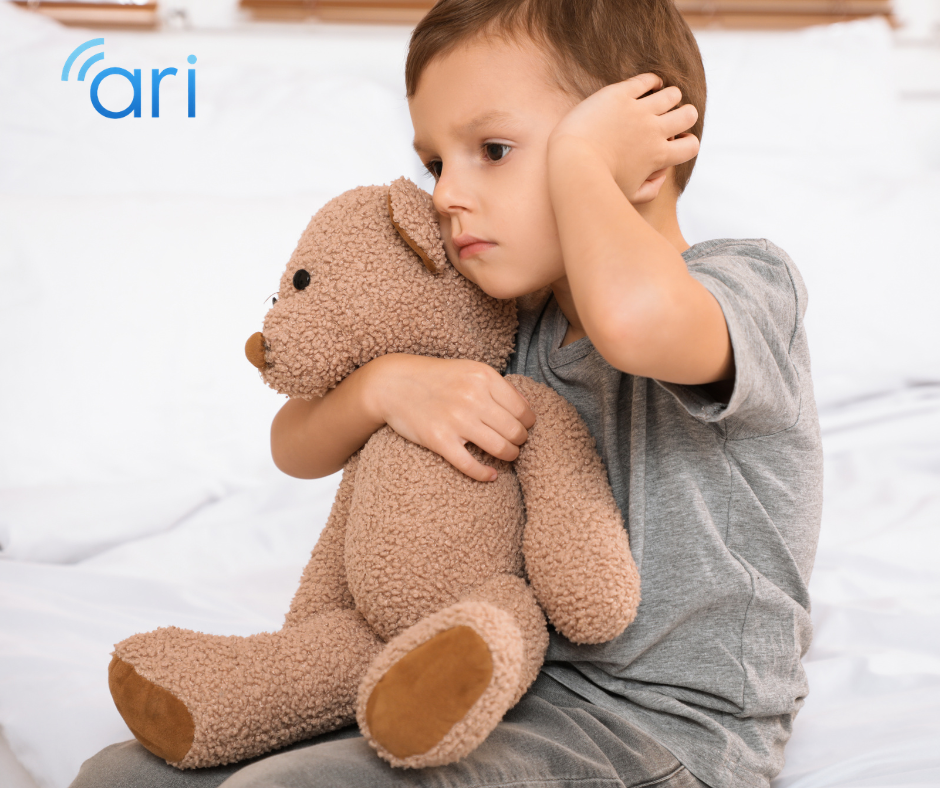
Research in Deaf education and child development consistently shows that visual learning environments and cooperative activities improve engagement for children who are deaf or hard of hearing (Marschark & Spencer, The Oxford Handbook of Deaf Studies). When activities emphasize observation, hands on participation, and group interaction, children with hearing loss can participate on equal footing with hearing peers.
Well designed activities for children with hearing loss benefit everyone involved. Deaf and hearing children can develop cooperation skills, visual awareness, and inclusive communication habits. Inclusive activities also help classrooms, youth programs, and families build stronger social connections.
The following ideas provide practical examples of inclusive activities for deaf children that encourage participation, creativity, and collaboration.
What Makes an Activity Inclusive for Children With Hearing Loss
Inclusive activities are not defined by the type of activity alone, but by how the activity is structured.
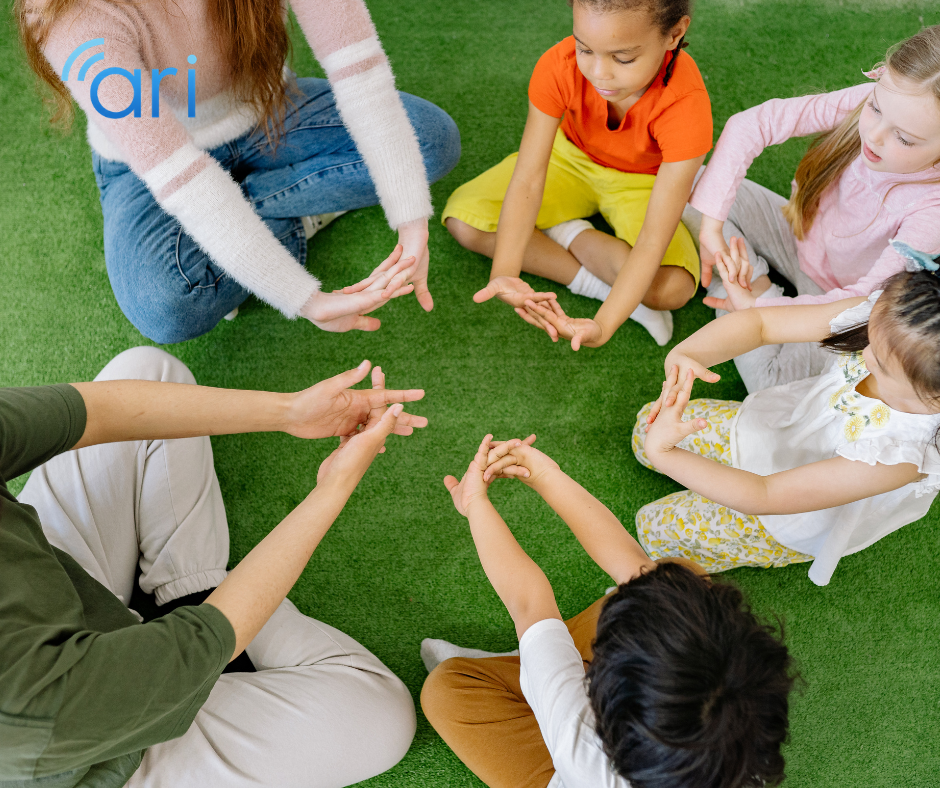
Several principles make social activities for children with hearing loss more accessible.
Use visual communication cues
Children should be able to see instructions clearly. Teachers and caregivers can demonstrate actions, show examples, or use pictures and diagrams.
For example, instead of explaining the steps of a craft project verbally, demonstrate each step visually while children watch.
Encourage shared attention
Group activities work best when everyone can see one another. Arranging children in a circle or around a shared workspace allows them to observe gestures, facial expressions, and visual cues.
Reduce reliance on spoken instructions
Instructions that depend only on speech can create barriers. Written instructions, visual cards, or demonstration models allow children with hearing loss to follow along easily.
Use clear physical demonstrations
Children learn quickly through observation. Demonstrating a movement, building step, or game rule often works better than describing it verbally.
Structure group interaction
Activities that encourage turn taking, collaboration, or shared problem solving help children communicate through gestures, expressions, and visual signals.
These simple design choices make many everyday activities naturally accessible.
Creative Art Activities
Creative projects are among the most effective inclusive activities for deaf children because they emphasize expression rather than spoken language.
Art activities also allow children to collaborate and communicate visually.
Examples include:
Mural painting
Children can work together on a large wall or paper mural. Each child contributes drawings, colors, or patterns. This type of shared artwork encourages teamwork and discussion through gestures and visual ideas.
Clay and pottery projects
Working with clay allows children to communicate ideas through shape and form. Children can demonstrate techniques to one another and collaborate on sculptures.
Sculpture building
Using recycled materials, cardboard, or craft sticks, children can create group sculptures. These activities promote creativity and problem solving.
Collage making
Magazines, colored paper, and natural materials can be used to create themed collages. Children can visually explain their ideas to others without needing spoken explanations.
Group drawing activities
Children take turns adding elements to a shared drawing. This encourages observation and visual storytelling.
Studies in arts education and Deaf pedagogy show that creative expression improves self confidence and peer interaction among deaf and hard of hearing children (American Annals of the Deaf).
Visual Games That Encourage Communication
Many games for deaf and hearing children can be structured around visual communication.
These games naturally encourage shared interpretation and creativity.
Charades
Players act out a word or phrase without speaking. Other children guess the answer by watching gestures and facial expressions.
This game works well because it relies entirely on visual communication.
Pictionary
In this drawing game, one player illustrates a word while teammates guess the answer. Because communication occurs through drawing, hearing ability is not required.
Picture bingo
Instead of spoken numbers, picture cards or symbols are used. The caller can display the image visually to all players.
Emotion guessing games
Children act out emotions such as happiness, surprise, or curiosity while others guess the emotion being expressed.
Gesture storytelling games
One child begins a story using gestures or drawings, and the next child continues the story visually.
These games encourage creativity while promoting inclusive communication.
Sports and Movement Activities With Visual Signals
Physical activities can easily be adapted using visual signals instead of sound cues.
These adjustments make sports accessible and enjoyable for children with hearing loss.
Soccer with visual start signals
Instead of using a whistle, a referee can raise a flag or hand signal to start play.
Basketball drills with gestures
Coaches can demonstrate drills visually and use hand signals to indicate passing or shooting sequences.
Relay races with flag signals
A colored flag or hand motion can signal the start of a race rather than a whistle.
Dance and rhythm activities
Dance activities can rely on visual timing, body movement, and vibration from music rather than auditory cues alone.
Research in physical education and Deaf studies suggests that visual signals in sports significantly improve participation for deaf and hard of hearing children (Journal of Deaf Studies and Deaf Education).
Science and Building Challenges
Collaborative problem solving activities are excellent deaf friendly classroom activities.
These activities emphasize observation, experimentation, and teamwork.
Examples include:
LEGO building challenges
Teams receive a design goal such as building the tallest tower or strongest bridge using LEGO bricks.
Children communicate visually by demonstrating ideas and showing examples.
Robotics kits
Simple robotics kits allow children to assemble and program moving devices. Demonstrations and visual instructions guide the process.
Marble run construction
Children design tracks using tubes, blocks, and ramps. They test and adjust their designs collaboratively.
Simple science experiments
Experiments such as volcano models, magnet exploration, or plant growth observations can be demonstrated visually.
Bridge building competitions
Teams use paper, sticks, or straws to build structures that hold weight.
These types of activities rely on demonstration and observation rather than spoken instruction.
Outdoor Exploration and Nature Activities
Outdoor learning naturally supports social activities for children with hearing loss because it emphasizes observation and discovery.
Examples include:
Scavenger hunts
Children search for objects such as leaves, rocks, or insects using picture guides.
Nature identification games
Participants match plants or animals with illustrated cards.
Gardening projects
Children plant seeds, water plants, and observe growth over time. These activities encourage teamwork and shared responsibility.
Wildlife observation
Bird watching or insect exploration encourages quiet observation and visual awareness.
Nature based learning has been shown to improve engagement and attention for children in diverse learning environments (World Health Organization child development research).
Storytelling and Creative Expression
Storytelling activities help children develop language, imagination, and social interaction.
Many storytelling methods work well for children with hearing loss.
Puppet theater
Children use puppets to act out short stories. Puppets allow expressive gestures and visual storytelling.
Comic strip creation
Children draw short comic stories using panels and speech bubbles.
Acting and role play
Children act out scenarios such as visiting a store or exploring space.
Sign language storytelling
Children who know sign language can perform short stories using expressive signing.
Visual storyboards
Children arrange drawings or pictures in sequence to build a narrative.
These activities support communication through visual expression and imagination.
Tips for Making Activities More Accessible
Small adjustments can make many activities more inclusive.
Teachers, parents, and activity leaders can apply these strategies:
• Face children when speaking so they can see facial expressions and lip movements
• Demonstrate instructions visually before starting an activity
• Ensure good lighting so visual cues are easy to see
• Reduce background noise that may interfere with hearing devices
• Encourage peers to learn basic sign language gestures
• Use hand signals or visual cues during games
• Provide written or illustrated instructions when possible
These strategies improve participation for both deaf and hearing children.
Activities That Are Often Less Accessible
Some activities unintentionally exclude children with hearing loss.
Examples include games that depend heavily on listening.
Listening only games
Games such as “Simon Says” with spoken instructions can be difficult if cues are only verbal.
Rapid spoken instructions
Activities that change quickly through speech may leave children with hearing loss behind.
Audio based cues
Games that depend on bells, whistles, or music signals may exclude children who cannot hear those sounds.
However, these activities can often be modified.
For example, teachers can add visual signals, written instructions, or demonstration models to make the activity accessible.
Conclusion
Inclusive play and learning environments help children with hearing loss build confidence, communication skills, and social connections.
Thoughtfully designed activities for children with hearing loss allow deaf and hearing children to collaborate, explore, and learn together. Many of the most effective activities emphasize creativity, visual communication, and cooperative problem solving.
Inclusive environments also benefit classrooms and community programs by encouraging awareness, empathy, and shared participation.
As children grow into older educational settings, accessible communication tools continue to play an important role. Services such as CART captioning support communication access in classrooms, conferences, and public events, helping ensure that Deaf and hard of hearing individuals can fully participate in learning and social environments.
References
Marschark, M., & Spencer, P. (2011). The Oxford Handbook of Deaf Studies, Language, and Education.
Journal of Deaf Studies and Deaf Education.
American Annals of the Deaf.
World Health Organization. Hearing loss and child development research.