Representation of Deaf and hard of hearing individuals in film and television has long shaped how broader audiences understand hearing loss and Deaf culture. Media portrayals influence social attitudes, policy conversations, and accessibility awareness. When Deaf characters appear on screen, they often serve as cultural reference points for viewers who have little direct experience with Deaf communities.
Historically, however, deafness in cinema was frequently used as a narrative device rather than a realistic depiction of Deaf life. Early films often treated hearing loss as tragedy, inspiration, or a dramatic obstacle that a character must overcome. Deaf characters were commonly written to advance the emotional journey of hearing protagonists rather than to represent authentic lived experiences.
In recent decades, this pattern has begun to shift. Contemporary filmmakers and television producers are increasingly engaging with Deaf culture, sign languages, and the participation of Deaf performers and creators. This transition reflects broader conversations about disability representation in film and the importance of cultural authenticity in media storytelling.
Early Depictions of Deafness in Film and Television
Early portrayals of deaf characters in movies often relied on simplified narrative frameworks. Film scholars and disability studies researchers frequently note that disability in cinema has historically been used symbolically rather than socially or culturally. In these narratives, deafness was rarely depicted as part of a complex community or linguistic identity.
One common trope was disability as tragedy. Deaf characters were portrayed as isolated individuals whose primary narrative function was to evoke sympathy or pity from the audience. Their hearing loss defined their entire identity, and the plot often revolved around attempts to “fix” or compensate for that loss.
Another recurring pattern was disability as inspiration. In these stories, the Deaf character existed primarily to motivate hearing characters or to demonstrate extraordinary perseverance. Scholars sometimes refer to this framing as the “inspirational disability narrative,” where the character’s value lies in overcoming limitations rather than representing a fully developed life experience.
A third trope portrayed deafness as a dramatic obstacle that the protagonist must overcome. In these narratives, communication barriers were presented primarily as personal challenges rather than as social accessibility issues.
Academic research in disability studies and film theory has documented these patterns extensively. For example, scholars in Disability Studies Quarterly have analyzed how cinematic portrayals of disability often reflect dominant cultural attitudes rather than the lived experiences of disabled communities. Similarly, media studies research has highlighted how deaf characters in early cinema frequently existed as supporting figures whose purpose was to enrich the emotional arc of hearing protagonists.
These narrative conventions shaped audience perceptions of deafness for much of the twentieth century.
The Cultural Shift Toward Authentic Representation
Over the past several decades, cultural and institutional factors have begun to reshape how Deaf characters appear in film and television.
One major influence has been advocacy from Deaf communities. Deaf organizations, cultural groups, and scholars have increasingly emphasized that deafness is not solely a medical condition but also a cultural and linguistic identity. Sign languages such as American Sign Language (ASL) and British Sign Language (BSL) are now widely recognized by linguists as full natural languages with their own grammar and cultural significance.
This recognition has influenced how filmmakers approach Deaf characters. Rather than portraying deafness only as a disability, some productions now depict Deaf communities as cultural groups with shared language and social practices.
Industry conversations about representation have also played an important role. Media producers have faced growing scrutiny over issues such as authentic casting, cultural consultation, and narrative accuracy. In response, some studios have begun hiring Deaf consultants, writers, and actors to contribute to storytelling processes.
Accessibility awareness within media production has also expanded. Captioning, inclusive casting initiatives, and greater engagement with disability representation guidelines have contributed to broader changes in the industry.
Research published in journals such as the Journal of Deaf Studies and Deaf Education has emphasized that authentic representation requires not only Deaf characters on screen but also meaningful participation from Deaf individuals behind the scenes.
These developments have created conditions for a gradual transformation in deaf representation in television and film.
Case Studies of Modern Films
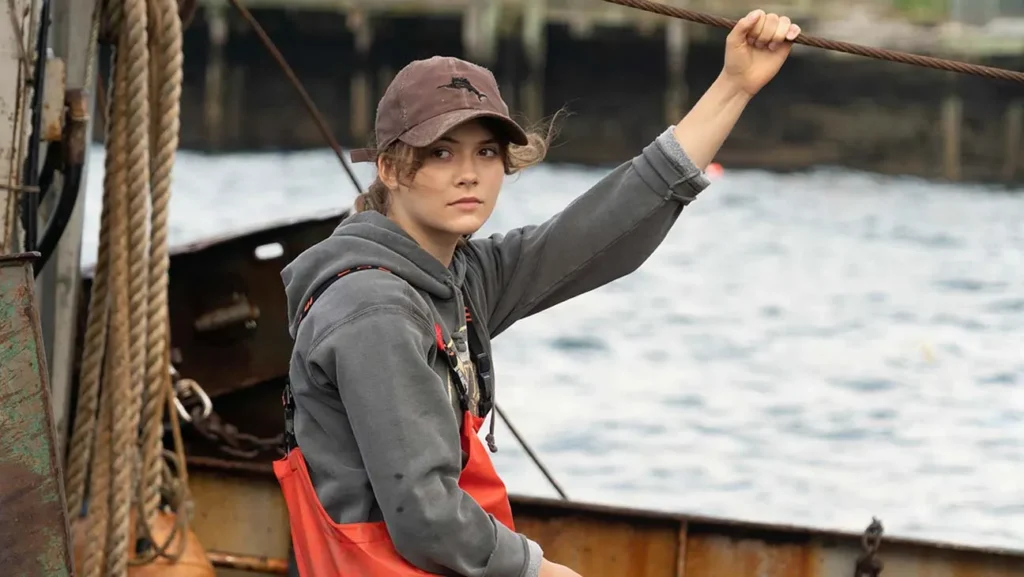
CODA (2021)
One of the most widely discussed examples of authentic deaf storytelling in recent cinema is CODA (2021), directed by Sian Heder. The film follows Ruby Rossi, a hearing teenager who is the only hearing member of her Deaf family.
Unlike many earlier films about deafness, CODA integrates Deaf culture and American Sign Language into the core structure of the narrative. The family communicates primarily through ASL, and the story explores the dynamics of being a hearing child of Deaf adults.
The film’s casting was widely noted for its authenticity. Deaf actors Marlee Matlin, Troy Kotsur, and Daniel Durant portray key family members. Troy Kotsur’s Academy Award for Best Supporting Actor marked a historic moment for Deaf actors in film.
The cultural significance of CODA lies not only in its narrative but also in its production choices. By centering Deaf characters and casting Deaf performers, the film moved away from the tradition of hearing actors portraying Deaf roles.
Sound of Metal (2020)
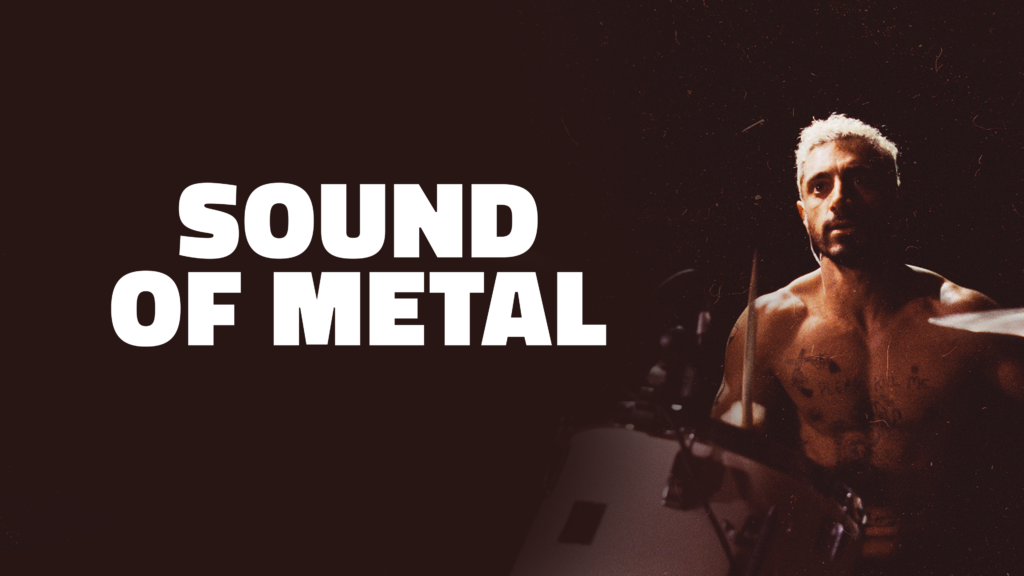
Another influential film exploring deafness is Sound of Metal (2020), directed by Darius Marder. The film follows Ruben, a drummer who experiences rapid hearing loss and enters a Deaf recovery community.
Unlike traditional narratives focused on curing disability, the film examines the psychological and cultural adjustment associated with hearing loss. The Deaf community depicted in the story emphasizes acceptance of deafness rather than restoration of hearing.
The film also uses sound design in innovative ways to simulate auditory experiences associated with hearing loss. This technique provides audiences with an immersive understanding of the character’s sensory environment.
Although the lead character is portrayed by a hearing actor, the film includes numerous Deaf performers and consultants. Critics and scholars have noted that the film offers a more nuanced depiction of the Deaf community than many earlier disability narratives.
The Importance of Deaf Actors and Storytellers
Authentic representation in media increasingly involves the participation of Deaf individuals at multiple stages of production.
Casting Deaf actors in Deaf roles is widely considered essential because lived experience influences performance and cultural accuracy. Sign language fluency, communication norms, and Deaf cultural knowledge cannot easily be replicated through imitation.
Beyond casting, Deaf writers and filmmakers contribute perspectives that shape narrative authenticity. Their involvement helps ensure that stories reflect real cultural experiences rather than external assumptions about disability.
Deaf consultants and cultural advisors also play an important role. These professionals help filmmakers understand linguistic nuances, social norms, and community perspectives that may otherwise be misrepresented.
Scholars in media representation research often argue that meaningful inclusion behind the camera is necessary for authentic storytelling. Without such participation, narratives risk repeating earlier stereotypes even when intentions are positive.
Impact on Audiences and the Film Industry
The evolution of deaf representation in film has measurable cultural effects.
Authentic portrayals can improve public understanding of Deaf culture and communication diversity. When audiences encounter sign language in film and television, they may begin to recognize Deaf communities as linguistic minorities rather than solely as individuals with medical conditions.
More nuanced storytelling also challenges longstanding stereotypes about disability. Rather than presenting deafness only as tragedy or inspiration, modern films increasingly depict Deaf characters with complex identities and varied life experiences.
For the film industry, these changes have expanded opportunities for Deaf performers and creators. Awards recognition for Deaf actors and the commercial success of films featuring Deaf characters demonstrate growing audience interest in diverse storytelling.
Research in media sociology suggests that representation in popular culture can influence broader social attitudes toward disability. Accurate portrayals can contribute to more inclusive cultural expectations.
The Future of Deaf Representation in Media
The future of deaf representation in television and cinema will likely involve several continuing developments.
One emerging trend is the inclusion of Deaf characters in mainstream stories that are not solely about disability. This shift allows Deaf individuals to appear as multidimensional characters whose lives extend beyond narratives of hearing loss.
Another development is the growing presence of Deaf creators behind the camera. Directors, screenwriters, and producers from Deaf communities are beginning to shape storytelling more directly.
Media industries are also gradually adopting more accessible production practices. Captioning, inclusive casting initiatives, and consultation with disability experts are becoming more common in professional media environments.
Future portrayals may also reflect greater diversity within Deaf communities themselves. Experiences of hearing loss vary widely depending on language background, cultural identity, age of onset, and communication preferences.
Conclusion
The history of deaf representation in film and television reflects broader cultural attitudes toward disability. Early cinematic portrayals often used deafness symbolically, portraying Deaf characters as tragic figures, inspirational examples, or narrative obstacles.
In recent years, however, media production has begun to move toward more authentic depictions of Deaf culture, sign languages, and lived experiences. Films such as CODA and Sound of Metal illustrate how contemporary storytelling can integrate Deaf actors, cultural perspectives, and realistic portrayals of communication.
Continued progress in representation will depend on meaningful participation from Deaf creators, performers, and consultants. As the film and television industry evolves, authentic storytelling about Deaf communities may increasingly replace earlier symbolic portrayals.