Disability representation in media has improved over the past decade, but representation alone is not the same as accessibility. Representation typically refers to whether disabled characters appear on screen. Accessibility, by contrast, examines how environments, systems, and social structures either enable or restrict participation. This distinction aligns with the social model of disability, which argues that disability is not solely a medical condition but a product of barriers created by society.
Most television shows still prioritize visibility over structural realism. Characters may be labeled as disabled, yet the world around them remains unrealistically accommodating or completely unexamined. A smaller group of shows, however, engage more seriously with accessibility by depicting communication barriers, institutional gaps, and social friction. These shows offer more useful insight for audiences interested in disability in media analysis and inclusive storytelling.
TV Shows That Depict Accessibility in Meaningful Ways
Speechless
Overview
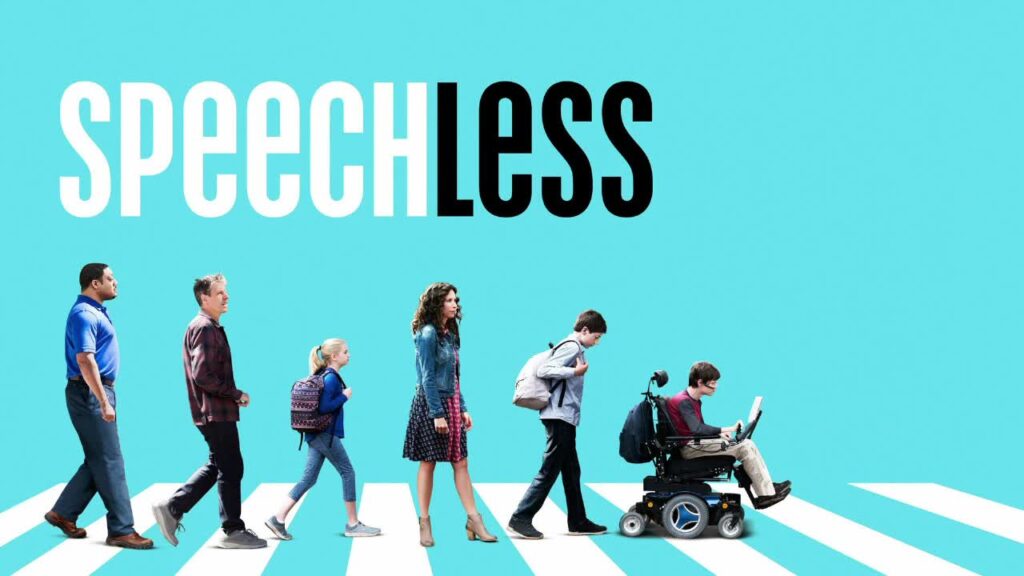
Speechless stands out as one of the most grounded portrayals of cerebral palsy representation on television. The series follows J.J., a nonverbal teenager with cerebral palsy, and his family navigating education systems, social life, and independence.
How Accessibility Is Portrayed
The show consistently centers accessibility as an evolving negotiation rather than a fixed condition. School systems are a primary focus. J.J.’s access to communication depends on aides, assistive devices, and institutional willingness to adapt. Episodes frequently highlight how small administrative decisions can either enable or block participation.
For example, the hiring and role of J.J.’s aide is not treated as background detail. It becomes central to his autonomy. The aide is not simply a helper but a communication bridge, illustrating how access is socially constructed.
Physical accessibility is also addressed in subtle ways. Transportation, classroom layout, and extracurricular participation are not assumed to be solved problems. The show demonstrates that accessibility is uneven and often dependent on advocacy.
Strengths
- Strong alignment with the social model of disability
- Focus on family dynamics without reducing the character to inspiration
- Consistent attention to systemic barriers in education
Limitations
- Some narrative arcs still lean toward emotional resolution rather than structural critique
- Workplace and adult life accessibility are less explored compared to school settings
Overall, Speechless is one of the clearest examples of accessibility in TV shows being treated as a real-world issue rather than a narrative device.
This Close

Overview
This Close, created by and starring Deaf actors Shoshannah Stern and Josh Feldman, offers one of the most authentic portrayals of Deaf culture in TV shows. It focuses on two Deaf best friends navigating relationships, work, and identity.
How Accessibility Is Portrayed
The show integrates communication accessibility into nearly every interaction. Unlike many mainstream series, Deafness is not framed as a problem to overcome. Instead, the friction arises from how the hearing world is structured.
Workplace accessibility is a recurring theme. Characters face challenges such as lack of interpreters, miscommunication with colleagues, and assumptions about competence. These are not isolated incidents but part of a broader pattern of exclusion.
Social interactions also highlight accessibility gaps. Dating, friendships, and family relationships reveal how communication barriers shape emotional experiences. The show uses both spoken English and American Sign Language without prioritizing one over the other, reinforcing linguistic equality.
Strengths
- Created and written by Deaf individuals, increasing authenticity
- Realistic depiction of communication barriers
- Strong representation of Deaf identity and community dynamics
Limitations
- Limited mainstream visibility, which restricts broader cultural impact
- Some viewers unfamiliar with Deaf culture may find narrative pacing unconventional
This Close is one of the most credible examples of disability representation in media that moves beyond surface inclusion and into structural realism.
Special

Overview
Special, based on Ryan O’Connell’s memoir, follows a gay man with cerebral palsy navigating work, relationships, and independence. The show blends humor with personal storytelling.
How Accessibility Is Portrayed
Accessibility in Special is often subtle and social rather than institutional. Workplace dynamics are central. The protagonist initially hides aspects of his disability, which reflects real-world pressures to conform in professional environments.
The show explores how accessibility is not only about physical accommodations but also about perception. Micro-interactions, such as how colleagues speak or make assumptions, become barriers in themselves.
Healthcare and personal independence are also addressed. The series shows how navigating systems can be complex, even when formal accessibility exists.
Strengths
- Focus on intersectionality, including sexuality and disability
- Honest portrayal of internalized stigma and social negotiation
- Grounded workplace scenarios
Limitations
- Less emphasis on systemic barriers compared to interpersonal dynamics
- Accessibility is sometimes implied rather than explicitly examined
Special contributes to inclusive television shows by showing how accessibility operates at both structural and psychological levels.
Shows That Attempt Accessibility but Fall Short
Atypical
Overview
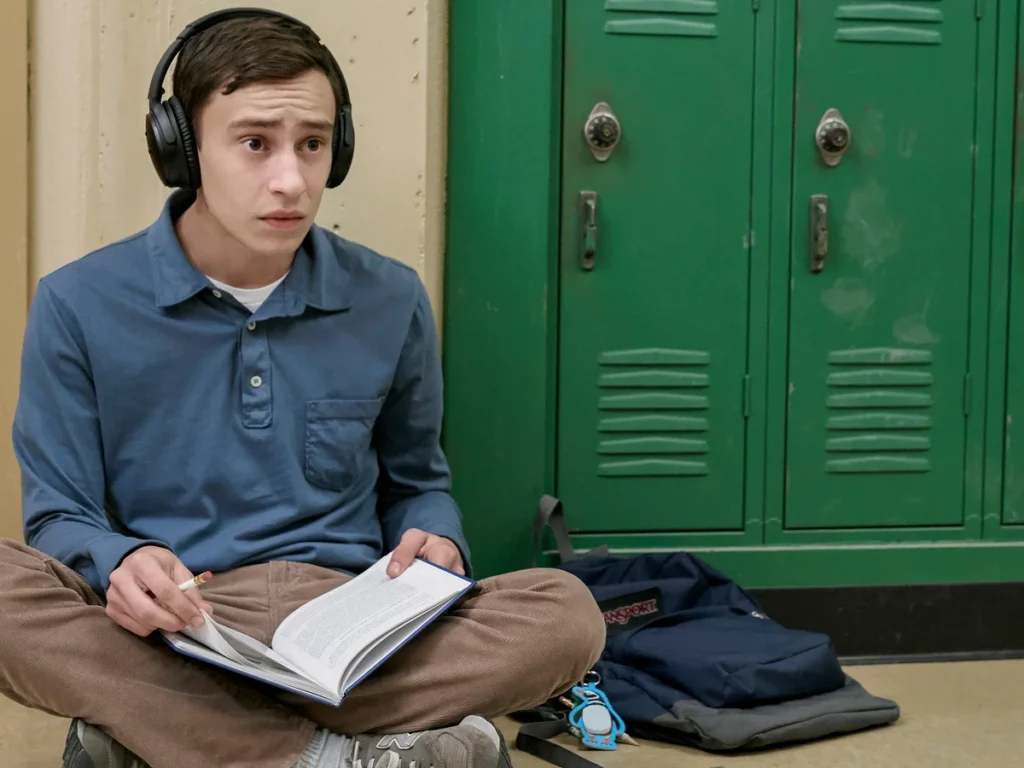
Atypical centers on a teenager on the autism spectrum and his journey toward independence.
Where Representation Exists
The show brings autism into mainstream visibility and attempts to explore social challenges, family dynamics, and independence.
Where Accessibility Is Underdeveloped
Accessibility is often framed as a personal adjustment rather than a systemic issue. School and workplace environments rarely undergo meaningful change. Instead, the narrative emphasizes the character learning to adapt.
This approach aligns more with the medical model of disability, where the individual is expected to overcome barriers rather than society removing them.
Common Pitfalls
- Over-reliance on individual growth narratives
- Limited involvement of autistic creators in early seasons
- Underdeveloped exploration of structural barriers
The Good Doctor
Overview
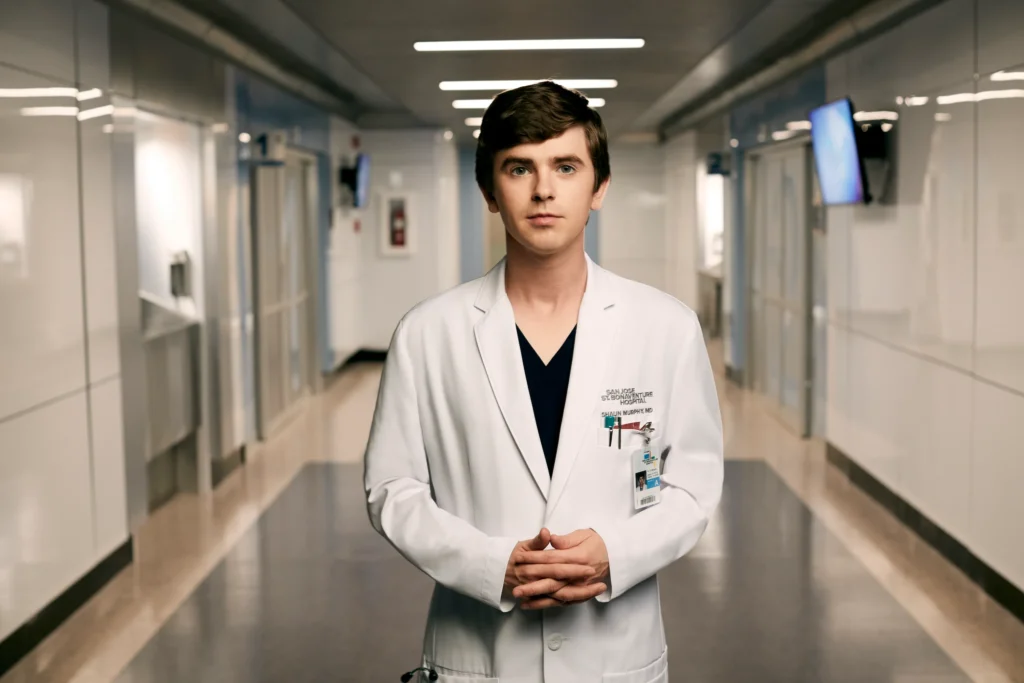
The Good Doctor follows a surgeon with autism and savant syndrome working in a hospital.
Where Representation Exists
The show highlights professional competence and challenges stereotypes about capability. It brings visibility to autism in high-skill professions.
Where Accessibility Is Underdeveloped
Hospital systems are rarely portrayed as needing adaptation. Instead, the focus is on whether colleagues can accept the protagonist. Accessibility becomes a matter of interpersonal tolerance rather than institutional design.
The savant narrative also creates an unrealistic standard, which can distort public understanding of autism.
Common Pitfalls
- Emphasis on exceptional ability rather than everyday accessibility
- Minimal exploration of workplace accommodations
- Reinforcement of “genius exception” narratives
What Most TV Shows Get Wrong About Accessibility
Overemphasis on Inspiration Narratives
Many shows frame disabled characters as inspirational figures. This shifts attention away from structural barriers and toward emotional impact. Research in disability studies consistently critiques this approach for reinforcing stereotypes rather than promoting understanding.
Ignoring Environmental Barriers
A common issue in accessibility in TV shows is the absence of realistic environments. Buildings are accessible without explanation. Communication flows smoothly. Systems appear neutral.
In reality, accessibility often requires deliberate design, policy, and advocacy. When shows ignore this, they misrepresent how disability operates in everyday life.
Lack of Disabled Creators
Authentic representation is closely linked to who is involved behind the camera. Academic discussions in journals such as Disability & Society and Television & New Media emphasize that structural inclusion in production leads to more accurate storytelling.
Shows like This Close demonstrate how lived experience shapes narrative depth. By contrast, shows without disabled writers often default to familiar tropes.
Why Accessibility-Focused Storytelling Matters
Accessibility is not a niche issue. It reflects how societies organize participation, communication, and opportunity. Television has significant influence in shaping public understanding of disability.
Shows that engage with accessibility provide more than representation. They offer insight into how systems function and where they fail. This is particularly relevant for professionals in education, healthcare, and workplace accessibility who rely on accurate cultural narratives.
For viewers, these shows serve as a more reliable guide to understanding disability beyond stereotypes. For creators, they demonstrate that inclusive storytelling requires attention to structure, not just character.
FAQ
What is the difference between disability representation and accessibility?
Disability representation refers to the presence of disabled characters in media. Accessibility focuses on whether environments, systems, and interactions allow those characters to participate fully. Representation can exist without accessibility, but accessibility requires structural consideration.
Which TV shows portray disability realistically?
Shows like Speechless, This Close, and Special are often cited for more realistic portrayals. They examine not only individual experiences but also systemic barriers and social dynamics.
Why is accessibility rarely shown in media?
Accessibility is complex and often invisible. It involves policy, infrastructure, and social behavior, which are harder to depict than individual character traits. Additionally, a lack of disabled creators in production contributes to limited understanding of these issues.
Conclusion
The difference between inclusive television shows and superficial representation lies in how deeply they engage with accessibility. While many series include disabled characters, fewer examine the systems that shape their experiences.
Speechless, This Close, and Special provide more meaningful examples by addressing communication, institutional barriers, and social dynamics. In contrast, shows like Atypical and The Good Doctor illustrate how representation can exist without fully engaging with accessibility.
For audiences seeking more accurate and useful portrayals, focusing on accessibility rather than visibility offers a clearer lens. This shift aligns with broader research in disability studies and reflects a more realistic understanding of how disability operates in society.