The barriers facing hearing parents of Deaf children are rarely discussed with sufficient depth. Approximately 90 to 95 percent of Deaf and hard of hearing children are born to hearing parents, according to research published in Pediatrics and the Journal of Deaf Studies and Deaf Education. Most families enter unfamiliar territory immediately after diagnosis, often without prior exposure to Deaf culture, sign language, or disability law.
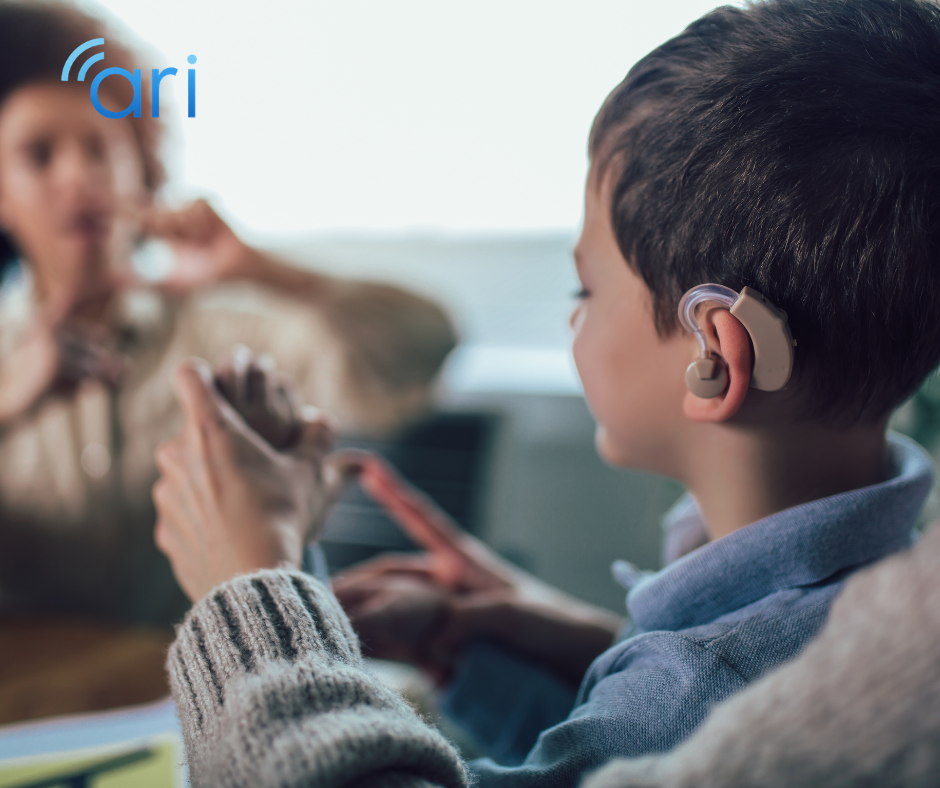
Early decisions made in the first months and years of life significantly affect language development, literacy outcomes, and long term academic achievement. Research on critical periods of language acquisition shows that delayed access to fully accessible language increases the risk of language deprivation, which can have lasting cognitive and educational consequences.
This article identifies systemic barriers and provides practical, evidence based strategies for advocacy, early intervention access, and language deprivation prevention.
Key Barriers and Practical Strategies
Common Barriers
- Delayed or incomplete information after diagnosis
- Medical bias toward speech only approaches
- Limited access to qualified sign language instruction
- Inconsistent early intervention access
- Underfunded school accommodations
- Misconceptions about sign language exposure
- Inadequate IEP accommodations
- Reliance on automated captions instead of professional services
Practical Advocacy Strategies
- Prioritize immediate access to fully accessible language
- Request comprehensive early intervention services
- Document all communication barriers
- Insist on qualified interpreters and CART captioning for schools
- Understand legal rights under IDEA, ADA, and Section 504
- Build relationships with Deaf mentors and professionals
Systemic Barriers Facing Hearing Parents of Deaf Children
Information Gaps After Diagnosis
Many parents report receiving limited or speech focused information at the time of diagnosis. Research in Pediatrics and Early Human Development suggests that families are often guided toward auditory rehabilitation without balanced discussion of sign language exposure.
This creates a structural barrier: parents must advocate for options they may not even know exist.
Evidence from Hall et al., 2017 in Maternal and Child Health Journal emphasizes that lack of early accessible language is associated with increased risk of language deprivation syndrome.
Practical Step:
Ask explicitly about bilingual approaches, Deaf mentors, and sign language resources during early appointments.
Medical Model Bias and Speech Only Recommendations
The medical model often frames deafness primarily as a deficit requiring correction. While hearing technology can support many children, it does not guarantee consistent auditory access.
Peer reviewed research by Humphries et al., 2012 in Pediatrics warns that exclusive reliance on spoken language without accessible backup can create preventable language delays.
A critical question parents should consider:
Is the child receiving fully accessible language input at all times?
Research does not support the claim that sign language delays spoken language development. Multiple studies indicate that bilingual exposure can support overall language growth.
Practical Step:
Pursue sign language exposure early, even if speech development is progressing.
Educational Barriers in Early Intervention and Schools
Inconsistent Early Intervention Access
Early intervention access varies widely by region. Some programs provide integrated services with sign support. Others offer speech therapy without sign language instruction.
The Individuals with Disabilities Education Act in the United States and similar frameworks in Canada require appropriate services. However, enforcement often depends on parental advocacy.
Practical Step:
Request measurable language milestones in Individualized Family Service Plans and IEP accommodations. Ask how progress is evaluated in both spoken and signed modalities.
Misconceptions About Sign Language Exposure
A persistent myth suggests that sign language exposure interferes with speech development. Research in bilingual language acquisition does not support this claim.

Studies in the Journal of Deaf Studies and Deaf Education indicate that early bilingual sign exposure supports cognitive flexibility and literacy development. Language acquisition research consistently shows that early, accessible language strengthens neural pathways during critical developmental windows.
Delaying sign language while waiting to see if speech develops introduces avoidable risk.
Practical Step:
Frame sign language exposure as language deprivation prevention, not as a rejection of spoken language.
IEP Accommodations That Fall Short
Parents often encounter resistance when requesting:
- Qualified sign language interpreters
- CART captioning for schools
- Captioned multimedia materials
- Visual alert systems
- Teacher training in accessibility
Schools may rely on automated captioning tools. Automated systems can contain significant error rates, especially in complex academic settings. In high stakes environments, inaccurate captions undermine comprehension and academic equity.
Professional CART captioning for schools provides real time, human edited text with significantly higher reliability.
Practical Step:
Request documentation of caption accuracy standards. If automated tools are used, ask for comparative performance data.
Emotional and Informational Barriers
Isolation and Lack of Peer Support
Hearing parents frequently report emotional isolation. Without connection to Deaf adults or experienced families, decision making can feel overwhelming.
Research in family adaptation literature suggests that peer support improves parental confidence and advocacy outcomes.
Practical Step:
Engage with Deaf community organizations and mentorship programs early.
Navigating Healthcare and Institutional Systems
Healthcare providers may not consistently provide interpreters or CART captioning during medical consultations. This affects both parents and children.
Under ADA and Section 504, healthcare settings are required to provide effective communication.
Practical Step:
Request qualified interpreters or CART captioning in writing prior to appointments and keep records of responses.
Language Deprivation Prevention as a Central Advocacy Goal
Language deprivation prevention is increasingly recognized in academic literature as a public health concern. Research by Hall and colleagues emphasizes that children without early accessible language are at risk for cognitive and psychosocial delays.
Prevention requires:
- Immediate access to fully accessible language
- Redundant communication pathways
- Professional support services
- Ongoing monitoring of language milestones
Parents play a central role in enforcing these standards when institutions fall short.
The Role of CART Captioning in a Broader Accessibility Strategy
CART captioning for schools and healthcare settings supports:
- Classroom comprehension
- Parent teacher conferences
- IEP meetings
- Telehealth consultations
- School assemblies
- Standardized testing environments
CART services complement sign language interpreters, particularly for children who are developing bilingual skills or who prefer text based reinforcement.
Accessible communication should not rely on a single modality. Redundancy strengthens outcomes.
Practical Advocacy Framework for Parents
- Ensure immediate sign language exposure.
- Monitor language milestones in both modalities.
- Document barriers consistently.
- Learn legal rights under IDEA, ADA, and Section 504.
- Request professional interpreters and CART captioning services.
- Connect with Deaf adults and advocacy groups.
- Reevaluate accommodations annually.
Frequently Asked Questions
What are the most common barriers facing hearing parents of Deaf children?
Information gaps, medical bias, inconsistent early intervention access, limited sign language exposure, inadequate IEP accommodations, and reliance on automated captions are among the most common barriers.
Does sign language exposure delay spoken language?
Current peer reviewed research does not support this claim. Early bilingual exposure is associated with stronger overall language development and reduced risk of language deprivation.
What is language deprivation?
Language deprivation refers to the absence of accessible language during critical developmental periods, which can result in long term cognitive and educational impacts.
Can schools rely solely on automated captioning?
Automated captioning often lacks sufficient accuracy for academic environments. Professional CART captioning provides higher reliability and accountability.
How can parents advocate effectively?
Document communication barriers, request accommodations in writing, reference legal obligations, and prioritize early intervention access.